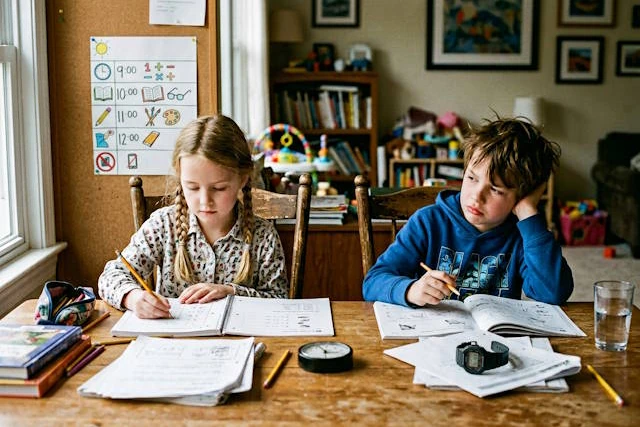

What do you do when one parent is strict and the other keeps softening everything?
When parents have different parenting styles‚ shared principles‚ open communication and a united front help keep family life stable.
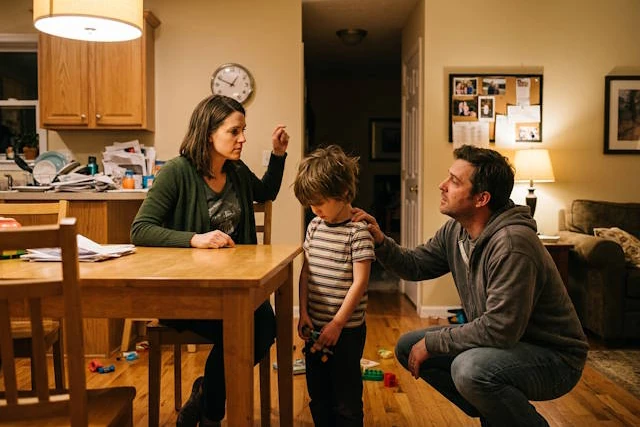
When both parents act with good intentions but with different approaches‚ the main challenge is to create a shared line of action that helps children understand the boundaries of family life. Cooperation between parents does not require their approaches to be identical‚ but it does require a shared understanding of the core principles. When there is agreement on basic boundaries‚ flexibility can also be built in for different situations. A balanced approach like this reduces tension and brings stability to the home. This way‚ children receive a clearer message.
Understanding Where Parenting Approaches Come From
Differences between parents in how they raise their children can stem from different past experiences or from personal views about authority and guidance. When each parent grew up in a different environment‚ each may bring a different view of boundaries and behavior. Understanding where a parenting approach comes from can help open a frank conversation between the parents. A conversation like this makes it possible to understand each side's point of view. This way‚ a common ground can be found for the road ahead.
Setting Shared Principles at Home
One way to deal with gaps between parents is to set basic principles that both of them agree on. Such principles can include key boundaries regarding behavior‚ the daily schedule or house rules. When the principles are clear to both parents‚ it is easier to keep the messages to the children consistent. In addition‚ shared principles allow each parent to act within a clear framework even if their style of response is slightly different. This keeps parenting stable.
Maintaining Communication Between Parents
Open communication between parents is an important part of handling differences in parenting approaches. When there is an ongoing conversation about different situations that have come up at home‚ each parent can learn how the other sees things. Conversations like these lead to new understandings and better cooperation. They also reduce tensions that can arise when each parent acts separately. Good communication strengthens the sense of partnership.
Presenting a United Front to the Children
When children see that their parents act together even when there are differences between them‚ it creates a sense of stability in the family. Presenting a united front does not mean that every decision has to be exactly the same for both parents. However‚ it is important for children to understand that the basic rules are agreed on by both sides. When the message is clear and consistent‚ children feel more secure at home. Stability like this reduces confusion and tension.
To Sum Up
Differences in parenting approaches are common in many families and do not necessarily point to a problem. When parents manage to build a shared understanding of basic principles‚ clear boundaries can be combined with flexibility in different situations. Open communication and cooperation help create a stable framework for the children. This combination allows children to understand the rules and feel secure within the family. This way‚ differences can be handled in a more balanced way.