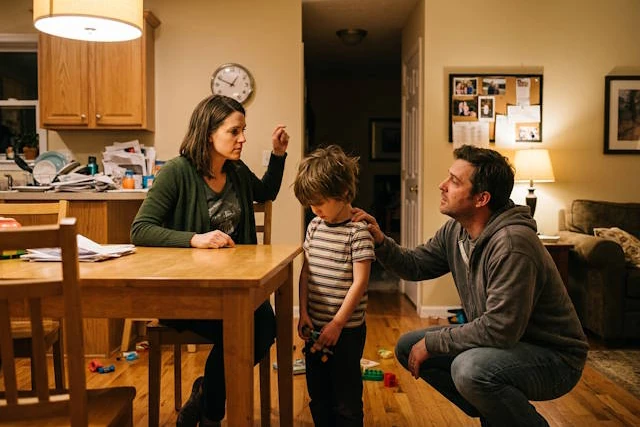

How do you divide household responsibilities without turning everything into a negotiation?
Clearly divided responsibilities‚ shared expectations‚ age-appropriate tasks and consistency spare families endless arguments over household chores.

When responsibilities are clearly defined and known in advance‚ family members can act more calmly without having to discuss things all over again every time a task needs doing. A sense of order helps everyone understand what is expected of them and what is expected of others in the family. In addition‚ a fixed division of responsibilities reduces the burden on any one member of the household and encourages more natural cooperation. When the system works consistently‚ family members can focus on the activities that really matter. This creates a calmer atmosphere at home.
Creating a Clear Framework of Roles
When each member of the household has a defined area of responsibility‚ it is easier to keep daily life in order. A framework like this makes it possible to know in advance who is responsible for certain tasks and when they should be done. When responsibility is not defined‚ situations can arise in which the same task is put off again and again. By contrast‚ when roles are clear‚ family members can act more independently. This reduces the need for repeated discussions around every task.
Setting Shared Expectations Within the Family
One way to reduce tension around household tasks is to set shared expectations about how the home is run. When family members agree on the desired level of tidiness and on how responsibilities are divided‚ it is easier to keep a stable routine. Such an agreement helps everyone understand their part in the bigger picture. It also reduces the sense of unfairness that can arise when responsibilities are not clearly divided. Aligning expectations contributes to a calmer atmosphere.
Matching Tasks to Age and Ability
When household tasks are matched to the age and ability of family members‚ it is easier to create natural cooperation. Young children can take part in relatively simple tasks that suit their stage of development. Older family members can take on broader responsibility according to their personal abilities. Matching tasks in this way creates a sense of partnership instead of a sense of coercion. This way‚ a more balanced system of responsibility can be built.
Staying Consistent Over Time
An effective division of responsibilities at home is not based on a one-time decision but on staying consistent over time. When the rules change frequently‚ family members may lose their sense of stability about what is expected of them. By contrast‚ when the division is kept up over time‚ a natural routine develops in which everyone knows their role. Consistency like this reduces the need for repeated discussions about basic tasks. This way‚ unnecessary tension can be avoided.
To Sum Up
A clear division of responsibilities at home allows family members to live more calmly‚ without a sense of constant negotiation over every task. When roles are defined and expectations are agreed on‚ it is easier to maintain order and cooperation. Matching tasks to ability and staying consistent strengthen the family system. This process reduces tension and makes it possible to focus on life together. This creates a more balanced home environment.