

Why does a fixed daily routine work well for some children and less well for others?
A clear daily routine gives some children confidence while others need flexibility‚ so it is worth adapting the routine to each child's nature and pace.
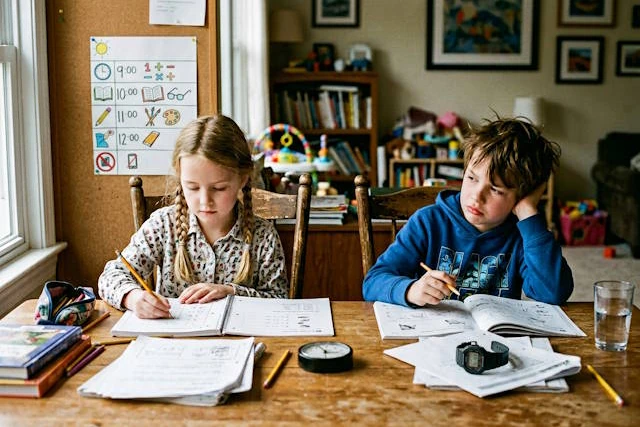
When you look at the behavior of different children in the same family‚ it becomes clear that each child has a personal pace and a unique character that affect how they cope with fixed routines. Some children feel secure when the order of activities during the day stays stable and predictable. Other children‚ by contrast‚ may experience an overly rigid framework as a limitation that does not suit their nature. That is why it is important to understand that children do not all respond to a daily routine in the same way. Adapting the routine to the child's character can lead to a more positive outcome.
A Child's Personal Daily Rhythm
Every child has a personal pace that affects how they handle different activities throughout the day. Some children need a clear framework to feel secure and to know what to expect later in the day. Other children‚ on the other hand‚ may feel more comfortable when there is some flexibility in the schedule. This personal pace is shaped by various factors such as temperament‚ sensitivity to stimuli and learning style. Understanding this personal pace can help in adapting the routine.
Coping with Unexpected Changes
Some children adapt well to changing situations and do not need a rigid framework to feel stable. Other children may experience even a small change in the daily plan as something that undermines their sense of security. When the daily routine is adapted to how well the child copes with change‚ unnecessary tension can be reduced. This kind of adjustment sometimes requires watching the child's behavior over time. This way‚ you can understand which conditions suit them better.
The Influence of the Family Environment
The environment a child grows up in also affects how they respond to a daily routine. Families with a very fixed daily schedule may create a sense of stability for some children. By contrast‚ in an environment where activities change frequently‚ children may develop a more flexible approach to routine. Differences like these shape the child's expectations and behavior. That is why it is important to take the wider family context into account.
Adapting the Routine to Personal Needs
When the daily routine is adapted to a child's personal needs‚ it can become a more effective tool in everyday life. Such an adjustment does not mean giving up on structure entirely but rather creating a balance between stability and flexibility. Some children will benefit from a very clear schedule‚ while others will feel comfortable within a more open framework. Understanding personal needs makes it possible to create a more suitable living environment. This way‚ a balance between order and freedom can be maintained.
To Sum Up
A fixed daily routine can be a helpful tool for many children‚ but its effect varies according to each child's nature and personal needs. Some children feel secure within a stable and predictable framework‚ while others need more flexibility. Adapting the routine to the child's personal pace and ability to cope with change can improve family life. When you understand the differences between children‚ you can create a more balanced system. This way‚ the routine becomes a source of support instead of a source of tension.