
A Yard Built for a Long‚ Hot Summer: Choices That Save Water and Effort
How to plan a yard for a hot summer: a sun map‚ local plants‚ precise watering‚ suitable surfaces and short‚ regular maintenance.
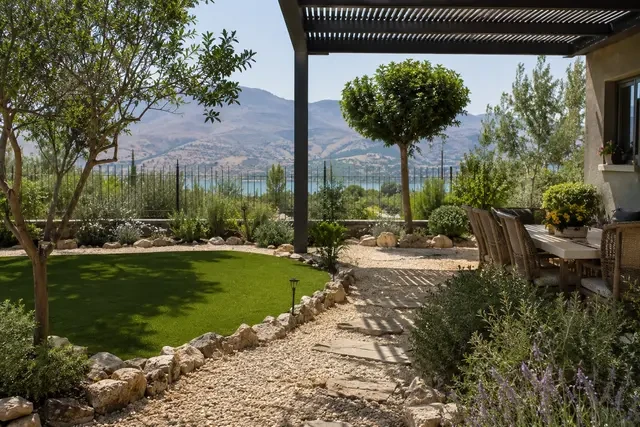
In areas where you want a green surface without regular watering‚ you can look into quality artificial grass and examine density‚ pile height‚ drainage and suitability for sun exposure. It is important to remember that an artificial surface still heats up in the sun and requires proper groundwork and installation. That is why it is not an automatic solution for the whole yard‚ but a component that has to be placed according to shade‚ hours of use and the materials next to it. Real savings come when the yard is planned around the conditions instead of fighting them. The sun map‚ soil type‚ wind direction and usage habits dictate which areas need shade‚ where it makes sense to plant and what should stay simple. Once that foundation is clear‚ you can choose materials and plants that hold up and reduce the number of repairs in the middle of summer.
A Sun Map Before You Buy
It is worth spending one day following the movement of the sun: where there is light in the morning‚ which area is exposed at noon and when the house casts shade. That map determines where it is pleasant to sit‚ which plants will thrive and where a dark surface will be too hot. Sometimes the right seating corner is actually close to the house and not at the edge with the view. Shade changes between seasons‚ so it is a good idea to think about winter as well. A deciduous tree can provide shade in summer and let the sun through in winter. A pergola or shade net gives a more predictable solution‚ but it has to withstand wind and fit in with the path of water. Combining natural and built shade gives flexibility. You should also examine where water goes after watering or rain. Drainage‚ slope and ground cover affect the plants and the surfaces‚ and a fix in one spot should not move a puddle or erosion to another.
Plants That Know the Area
Water-saving plants do not have to look like desert plants. You can combine Mediterranean herbs‚ shrubs with varied foliage and trees suited to local conditions. The choice should take into account the mature size and not just the size of the pot at the nursery‚ otherwise pruning and transplanting become necessary. Grouping plants by water needs simplifies irrigation. One area gets more‚ another less‚ and there is no need to compensate a thirsty plant at the expense of a shrub that prefers dryness. Mulch reduces evaporation and protects the soil‚ but it is important to leave a gap around trunks and choose a material that does not wash away with every watering. A good choice leaves room for growth and seasonal change. Plants‚ shade and furniture behave differently over the year‚ so spacing and flexible planning matter more than a full look on the day of installation.
Water That Reaches the Roots
Watering at suitable hours and at a rate that allows the water to soak in is more effective than frequent surface wetting. A working drip system reduces losses‚ but it needs checking: a clogged dripper or a torn pipe can stay invisible until the plant is damaged. A short walk around once a week saves water and damage. Drainage matters even in a hot area. Heavy winter rain on compacted soil creates puddles and erosion. Planning slopes‚ infiltration areas and gutters prevents a situation where all the roof water ends up in one spot. Saving water also includes making good use of the water that already falls. It is worth combining aesthetics with movement. A beautiful detail that narrows a path or makes cleaning harder will lose its value‚ while a clear border or a small storage spot can improve the look precisely because it serves the way the yard is used.
Surfaces That React to the Sun
Stone‚ wood‚ concrete and synthetic surfaces heat up at different rates. Before choosing‚ it is worth testing a sample in the sun and thinking about who will walk on it barefoot. A light color can reduce heating but can also cause glare. A rough material provides grip but can be hard to clean. There is no perfect material‚ only a match to the use. Splitting the yard into several materials helps. A hard walkway‚ a protected play corner and a natural surface around the plants can work together. That way there is no need to cover the whole area with one solution‚ and each material sits where its advantages outweigh its drawbacks. A short monthly check is sometimes enough to stop a problem early. A leak‚ a loose connection‚ an invasive weed or a material that starts to fade is much easier to deal with before it affects an entire area.
A Seating Corner with Moving Air
Shade alone is not enough if the air is still. A location that lets the breeze pass through‚ a suitable outdoor fan and openings not blocked by dense plants improve how it feels. A high wall or a solid partition can create privacy but also stop the air‚ so sometimes a partial screen is better. The furniture should be easy to handle. Cushions that have to come inside every evening will stay outside if the storage is far away. A table that is too heavy will not be moved when the sun shifts. Choosing durable materials and nearby storage reduces daily effort and keeps the yard ready to use.
Short Maintenance at a Fixed Frequency
A water-saving yard is not a yard without care. Cleaning filters‚ checking drippers‚ spot pruning and clearing leaves keep the system working. When the work is divided into short tasks‚ it does not turn into a whole day every month. A simple seasonal schedule reminds you what is needed before summer and what after the first rain. Choosing fewer species also makes things easier. Repeating a few plants and materials creates a cohesive look and reduces the different knowledge and tools needed for each corner. Variety can come from heights‚ textures and flowering‚ not necessarily from dozens of species.
Planning for the Shade of Two Years from Now
A young tree‚ climber or shrub does not provide on planting day the shade it will give in the future. That is why it is worth thinking about the yard on two timelines: an immediate solution that protects the seating area‚ and plants that will grow gradually and change the microclimate. It is important to check the canopy diameter‚ the distance from the building‚ root paths and access for maintenance. Planning on that horizon prevents dense planting that looks full at first but later creates competition for water and space. It also allows temporary solutions to be reduced as the plants become established‚ instead of adding a new layer of shading every summer.
In Summary
A yard suited to a Tiberias summer starts with understanding the sun‚ the wind and the water. The right shading‚ local plants‚ precise irrigation and surfaces chosen by use save resources and effort. When every component gets a suitable place‚ the yard stays pleasant and usable without a daily battle with the climate. Observing the real conditions‚ maintenance that fits the time you have and room for seasonal change create a yard that stays usable and relaxed even after the first excitement has passed.