
How do you choose a wall color without finding out later that it looks completely different at home?
The same wall shade changes under daylight and artificial light‚ next to your furniture and depending on the size of the room.
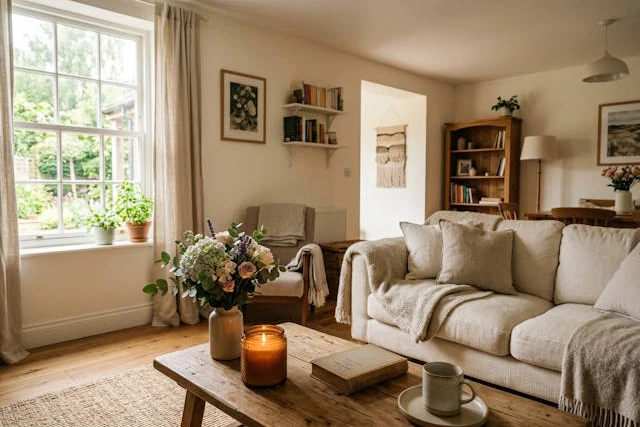
When you look at a wall color in the room itself and not just on a small swatch or a computer screen‚ you can see how it changes with natural daylight and artificial lighting. The same shade may look lighter in the morning‚ when light comes in through the window‚ but darker in the evening‚ when indoor lighting dominates. In addition‚ nearby colors such as the floor‚ the furniture and the curtains affect how the color is perceived in the room overall. All of these factors together create a more complex visual experience than a small paint sample. That is why testing in your real home conditions is very important before making a decision.
Natural Light Inside the Space
The amount of natural light entering a room has a significant effect on how the wall color looks throughout the day. Rooms facing south or west usually get stronger light that brings out lighter shades. Rooms facing north or located in a densely built area‚ by contrast‚ may be naturally darker. When a color is chosen without considering the amount of light‚ the result may look very different from what you originally expected. That is why it is important to look at the shade in the lighting conditions of the room itself.
Testing a Sample on the Wall
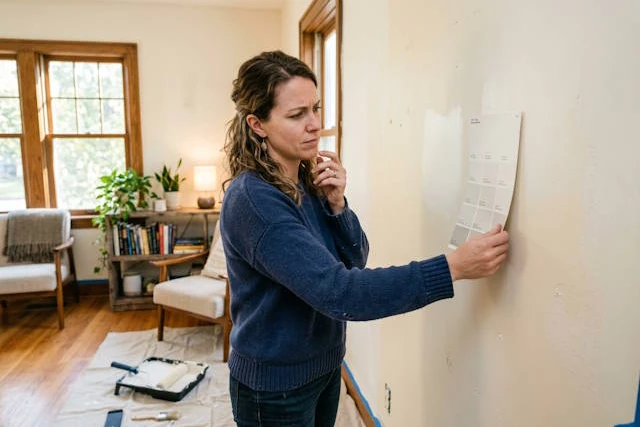
An effective way to understand how a color will really look is to paint a small area of the wall itself before painting the whole room. A sample like this shows how the shade fits in with the existing surroundings. When you watch the sample throughout the day‚ you can notice the changes that happen as the light shifts. This process allows a better-informed decision before you commit to a particular color. This way‚ you can avoid surprises once the work is finished.
The Effect of Furniture and the Existing Design
The colors of the furniture‚ rugs and curtains also affect how the wall color is perceived. When the wall color goes well with the furniture‚ the room has a pleasant sense of harmony. An unbalanced combination‚ on the other hand‚ can create a feeling of visual clutter. That is why it is important to consider the colors already in the space before choosing a new shade. A match like this contributes to a more unified look.
Choosing a Shade According to Room Size
The size of the space also affects how the human eye perceives color. Dark shades can create a sense of depth but can also make a small space look more cramped. Light colors‚ by contrast‚ may give small rooms a greater sense of space. Matching the color to the size of the room can improve the overall feel of the space. That is why it is worth keeping this in mind when choosing.
To Sum Up
Choosing a wall color is a decision that affects the overall atmosphere of the home‚ so it is worth making it thoughtfully. Natural light‚ furniture colors and the size of the space all affect how the shade really looks. Testing a paint sample on the wall shows how it changes throughout the day. When you take all of these factors into account‚ you can make a more accurate choice. The result is a color that fits the space well.