
Why Do Some Vegetables Taste Completely Different Depending on the Season?
Why vegetables grown in their natural season usually taste richer than greenhouse produce and how harvest time and soil shape flavor.
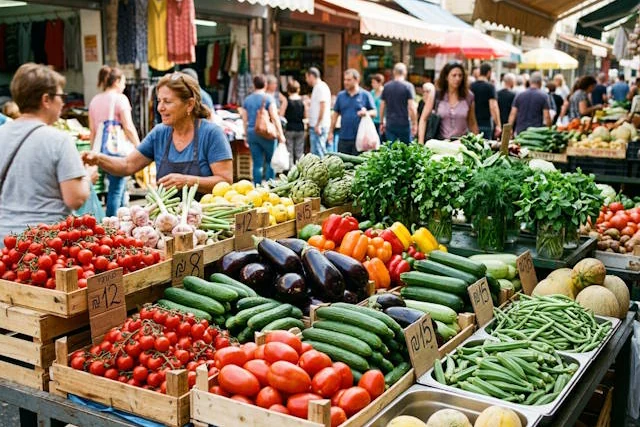
When vegetables grow in natural conditions that suit their season‚ they receive a balanced combination of sunlight‚ temperature and moisture. This combination allows them to develop a higher concentration of natural sugars and aromatic compounds that give a richer flavor. By contrast‚ when vegetables are grown out of season under controlled conditions such as greenhouses or accelerated growing‚ their development process changes. The result may be a vegetable that looks similar on the outside but has a less pronounced taste. Understanding this process can explain why the eating experience changes over the course of the year.
Natural Growing Conditions for Vegetables
When vegetables grow in their natural season‚ the environmental conditions support the ripening process in a gradual and balanced way. The right amount of sunlight allows the plant to produce sugars through photosynthesis more efficiently. In addition‚ relatively mild temperatures allow the fruit or vegetable to develop steadily. When these conditions hold over time‚ compounds form that affect the flavor and aroma. That is why seasonal vegetables are often considered tastier.
How Early Harvesting Affects Flavor
In many cases‚ vegetables meant for wide distribution are picked before they are fully ripe in order to extend their shelf life. Early picking makes it possible to transport the vegetables over long distances without them spoiling quickly. However‚ a ripening process that is cut short can affect the development of flavors. A vegetable picked too early may be firm and attractive but less rich in taste. That is why the growing source and the harvest time affect the quality of the final result.
The Role of Soil in Flavor
The composition of the soil in which vegetables grow also affects their flavor and nutritional value. Soil rich in minerals allows the plant to absorb various elements that add complexity to the flavor. When the soil is poorer or the vegetables are grown in an artificial medium‚ the result may be a vegetable that is less complex from a culinary point of view. In addition‚ different irrigation conditions can affect the concentration of sugars in the vegetable. All of these factors combined shape the taste experience.
Choosing Vegetables by the Season
When you choose vegetables according to the season‚ you can enjoy produce that was picked closer to its natural ripening time. Seasonal vegetables usually reach the market more quickly after harvest and therefore keep better. In addition‚ high availability during the season often means more affordable prices as well. The combination of good quality and a reasonable price makes seasonal vegetables a popular choice in many kitchens. That is why knowing the growing seasons can improve your cooking experience.
In Summary
The flavor of vegetables changes throughout the year because of different growing conditions‚ harvest times and the composition of the soil in which they grow. Vegetables grown in their natural season tend to develop richer flavors thanks to suitable environmental conditions. By contrast‚ out-of-season growing and early harvesting can affect the intensity of the flavor. Choosing seasonal vegetables lets you enjoy fresh produce full of aroma. Understanding the link between the seasons and flavor can improve your choices in the kitchen.