
How Does Improper Storage Ruin Ingredients Before You Even Start Cooking?
How temperature‚ humidity‚ storing foods side by side and packaging affect the freshness of produce before cooking even begins.
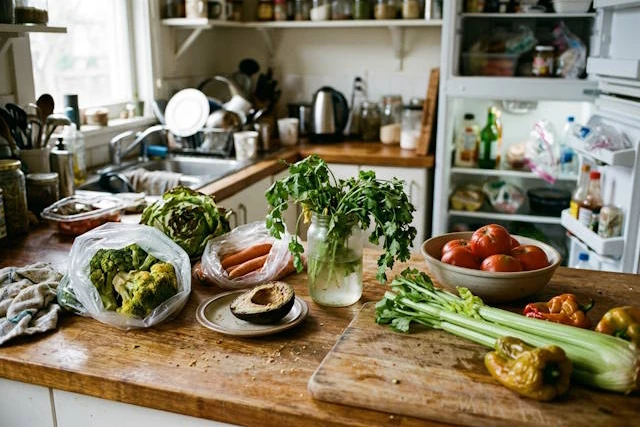
When a food product is stored in conditions that do not suit it‚ natural processes of breakdown and ripening continue at an uncontrolled pace. Some products are especially sensitive to temperature‚ humidity or exposure to air. As a result‚ they may lose their crispness‚ juiciness or natural aroma within a relatively short time. In other cases‚ improper storage causes the product to ripen too quickly or to dry out gradually. Understanding the right conditions can preserve the quality of your ingredients over time.
Storage Temperature for Vegetables and Fruit
Every type of vegetable or fruit has an ideal storage temperature that preserves its structure and flavor. Some products keep well in the fridge‚ while others are actually damaged by temperatures that are too low. For example‚ tomatoes stored in the refrigerator can lose a large part of their natural aroma. By contrast‚ leafy vegetables keep better when they are moderately chilled. Matching the temperature to the type of product keeps it fresh for longer.
How Humidity Affects Food Quality
Humidity that is too high or too low can have a significant effect on the condition of fresh ingredients. When humidity is too high‚ certain products may soften quickly or develop mold. On the other hand‚ when the environment is too dry‚ vegetables and fruit can lose moisture and shrivel. The right humidity balance preserves the original texture of the product. That is why it is important to pay attention to how foods are stored‚ both in the fridge and outside it.
Storing Different Products Together
Some fruits give off a natural gas called ethylene‚ which affects the ripening rate of other products kept near them. When such fruits are stored together with sensitive vegetables‚ they can make the produce around them ripen too quickly. This process can cause a loss of crispness or a change in flavor. That is why it is sometimes recommended to keep different types of food apart during storage. A simple separation can extend the shelf life of the products.
The Role of Packaging in Keeping Food Fresh
The way ingredients are packed after you buy them also affects their quality. Packaging that is too airtight can cause moisture to build up and speed up spoilage. On the other hand‚ storing food with no protection at all can lead to moisture loss and drying out. That is why it is important to choose packaging that strikes a balance between ventilation and retaining enough moisture. A solution like this helps keep ingredients fresh over time.
In Summary
Proper storage of ingredients is an important part of cooking‚ even before you start preparing the dish itself. Temperature‚ humidity and keeping different products apart all affect the freshness and quality of food. When ingredients are kept in suitable conditions‚ they retain their flavor and texture over time. Understanding the basic principles of storage can prevent food waste. This way you reach the cooking stage with better-quality ingredients.