

Why Doesn't a Long Warranty Always Mean You Bought a Better Product?
Why warranty length says little about quality: exclusions in the terms‚ parts that aren't covered‚ marketing and service after the sale.
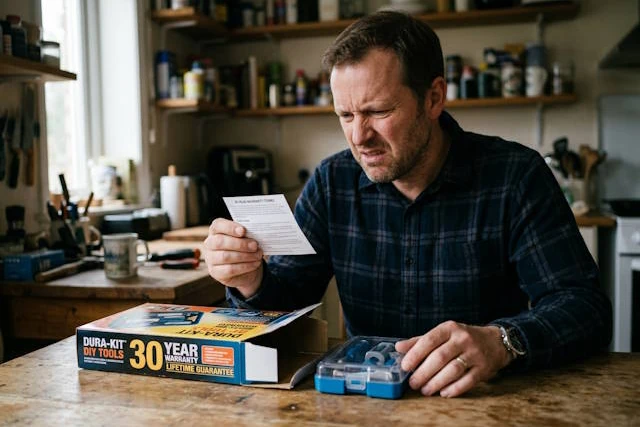
A warranty often covers only a small share of the faults a product might develop and doesn't cover other common situations. In many cases shoppers discover only after the purchase that the warranty includes a long list of exclusions that severely limit the ability to use it. This creates a sense of security at the time of purchase but doesn't actually guarantee full service if something goes wrong. That is why it is important to examine the warranty terms and not only the length shown in the advertising or on the packaging. Understanding the fine print allows for a more informed buying decision.
Reading the Warranty Terms Closely
When a product is presented with an especially long warranty‚ it is important to read the terms carefully and not rely only on the marketing headline. Warranty documents often include a complex list of situations in which the warranty doesn't apply at all. Common exclusions include improper use‚ natural wear and tear‚ environmental damage or installation that wasn't carried out according to the instructions. This means that even if the product breaks during the warranty period‚ the buyer may still have to pay for the repair. So reading the terms carefully shows what the manufacturer's commitment really includes.
Product Parts That Aren't Covered
For many products the warranty applies only to certain parts and not to the whole system. Sometimes motors or core components are covered while other parts are considered wear items and aren't included. This can create a gap between the buyer's expectations and reality when a fault occurs. Many shoppers find that the part that broke is exactly the one not covered‚ despite the long warranty period. That is why it is important to understand which components are covered and which aren't included in the service.
Marketing Considerations in How Warranties Are Presented
A long warranty can be an especially powerful marketing tool because it creates a sense of security at the time of purchase. Many companies know that shoppers tend to choose a product with a longer warranty period. Sometimes this is a strategy aimed at gaining a competitive edge over other products in the same category. However‚ the length of a warranty isn't always a true measure of manufacturing quality or durability. That is why it is important to look at other factors as well‚ such as user reviews and accumulated experience with similar products.
The Role of After-Sales Service
Even when a warranty is relatively broad‚ the quality of service after the purchase has a big effect on the customer experience. In some cases the process of claiming the warranty is complicated and involves long waits or many bureaucratic requirements. As a result‚ even when the warranty formally exists‚ customers struggle to benefit from it. By contrast‚ companies that offer efficient and transparent service create a real sense of security for their customers. So it is important to look not only at the warranty period but also at how the service is provided.
Summing Up
A long warranty on a product can provide a sense of security but isn't necessarily proof of higher product quality. The warranty terms‚ the types of faults covered and the quality of after-sales service all strongly affect the warranty's real value. Checking the details carefully shows what is really promised to buyers if something goes wrong. When you look at both the warranty terms and the quality of the product itself‚ you can make a more informed buying decision. This approach helps shoppers choose a product that meets their needs over time.